
 AI capability profiler by MRDI
Credit score for your skills.
ISAC.XP turns projects, workshop habits, self-learning, and real problem solving into a Learning Capability Index profile. It helps learners show what they can actually do, not just what appears on a marksheet.

Page roadmap
See the purpose of ISAC.XP before you explore the details.
This page is organized to help visitors move from a quick overview into the learner flow, recruiter flow, capability visuals, and feedback in a simple sequence. If you are new here, this is the fastest way to understand what the platform is meant to do.
From the LCI explainer video
Grades tell one story. Capability tells the one recruiters need.
The ISAC.XP marketing video introduces the Learning Capability Index as a new way to assess learners: less about memorized answers, more about how a person learns, responds, builds, recalls, and improves.
The core promise is simple. ISAC.XP gives students a practical, shareable capability signal that can sit beside a resume, portfolio, or placement profile.
Capability over grades
AI-guided profiling
Real-world skill evidence
Portfolio-ready output
Introducing Learning Capability Index
1:09
The Learning Capability Index maps how skill behaves.
ISAC.XP looks at capability as a pattern, not a single test score. The profile is designed around practical signals such as reasoning, pace, consistency, recall, and confidence so a learner can understand where they are strong and where focused practice will help.
LogicHow clearly the learner reasons through a problem and chooses the next step.
VelocityHow quickly the learner can move from understanding to useful action.
StabilityHow well the learner performs when the task becomes uncertain or pressured.
ConsistencyHow reliably the learner repeats good process across different attempts.
RecallHow available previous learning becomes when a real task demands it.
ConfidenceHow accurately the learner can express, defend, and apply what they know.
AI That Compound Humans
9:05
From the product demo video
A short conversation becomes a capability profile.
The demo positions ISAC.XP like a credit score for skills. Learners answer AI-guided questions about projects, habits, problem solving, and hands-on exposure. ISAC.XP converts that evidence into an LCI score and a capability portfolio they can share.
For students, this makes hidden strengths visible. For colleges and recruiters, it creates a cleaner way to compare practical readiness beyond marks, certificates, and generic resumes.
For recruiters
Shortlist faster with a candidate view that shows skill proof, not just claims.
The new recruiter feature gives hiring teams a practical way to scan a learner's ISAC.XP profile, compare capability scores, and understand where the strongest evidence lives before they move into interviews.
Instead of reading a flat resume, recruiters get a clearer read on how a person learns, solves, builds, and adapts in real workshop or project settings.
Score at a glance
Evidence-backed profile
Better role fit
Faster shortlisting
1. Compare candidatesSee practical readiness quickly instead of reading through scattered documents.
2. Check the evidenceOpen the profile behind the score to understand what the learner has actually done.
3. Move with confidenceUse a clearer signal for internships, apprenticeships, and first-role hiring.
Recruiter Insights
New
For learners
Build your capability while you learn, practice, and create.
This new learner video shows how ISAC.XP helps students and builders turn workshop experience, self-learning, and real projects into something measurable and shareable.
It is meant for learners who want to see their progress clearly, improve their weak spots, and build a profile that actually reflects what they can do.
Learn by doing
Track capability growth
See practical progress
Build a shareable profile
1. Explore your strengthsSee which skills and habits already make you valuable.
2. Build with intentUse the feedback to practice, improve, and close the gaps.
3. Show your progressShare a profile that grows as your capability grows.
Learner Insights
New
Capability visuals
A profile that is easy to understand and easier to discuss.
The page uses the same LCI vocabulary shown across ISAC Systems: a graph for quick capability reading and a synthesis matrix for deeper evidence. The result is meant to feel like a practical bridge between learning and employability.
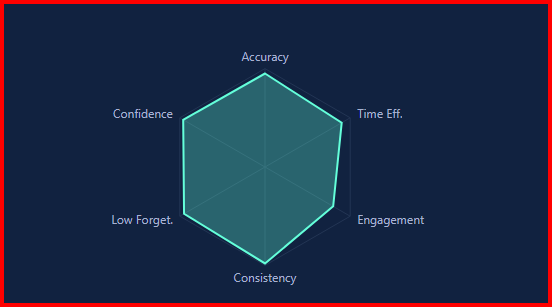
Capability Graph
A fast view of how the learner performs across the LCI dimensions.
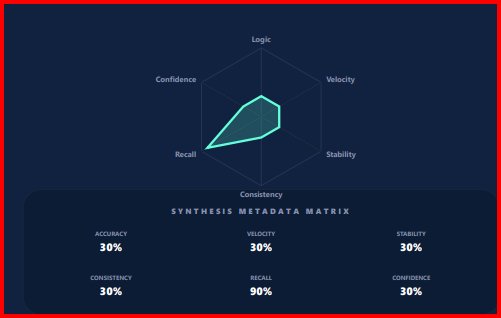
Synthesis Matrix
A structured layer that connects learner evidence with capability signals.
Who ISAC.XP is for
Built for the people trying to prove real skill.
Students
Show your projects, practice, and learning patterns before your first industry role.
Diploma holders
Translate hands-on workshop exposure into a structured, visible profile.
Colleges
Use capability profiling before placement drives to guide better student-role fit.
Recruiters
Read capability signals that are closer to practical readiness than marks alone.
Feedback from the field
Organized feedback from engineering students and hiring teams.
This section distills the uploaded ISAC.XP feedback forms into readable summaries. The learner cards are grouped as mechanical and electrical engineering student feedback, and the recruiter cards capture what hiring teams said about onboarding, shortlisting, and capability visibility.
Mechanical engineering student feedback for a semester-2 skill and knowledge assessment.
The form shows ISAC.XP being deployed for a semester-2 skill and knowledge check. The response indicates the platform was understood well, and the question set was seen as relevant for proficiency measurement.
Mechanical engineering student feedback on a Formula-style project build and knowledge trail.
The submission ties ISAC.XP to a six-month SAE Baja deployment, using it to analyze the basics of how an automobile vehicle works. The feedback shows a practical, project-driven use case.
Mechanical engineering student feedback focused on the working basics of an automobile vehicle.
The form references a Semester-3 SAE Baja rulebook context and a 6-8 month duration, using ISAC.XP to analyze the basics of working automotive systems and to test knowledge in a structured way.
Mechanical engineering student feedback combining skills, knowledge, and a learning-gap view.
The submission points to a skill and knowledge exercise used alongside learning-gap analysis. The overall rating marks the platform as usable and relevant for proficiency measurement.
Electrical engineering student feedback around a semester-based deployment.
The OCR shows an electrical-engineering student from Surat, Gujarat using ISAC.XP in a semester-based deployment. The form signals that the questions and platform experience were viewed as strong enough for the use case.
Mechanical engineering student feedback used to strengthen understanding of the SAE Baja rulebook.
Om's feedback maps ISAC.XP to a learning exercise centered on the SAE Baja rulebook. The form shows the platform being used as a support tool for understanding and revising the project knowledge base.
Mechanical engineering student feedback used for testing knowledge and clarifying understanding.
This student feedback form comes from Surat, Gujarat. The response text suggests the assessment was used for knowledge testing and that the question set was understandable enough to support the workflow.
Mechanical engineering student feedback used as a learning aid to boost study and workshop readiness.
The submission describes using the platform to support learning and strengthen workshop-style understanding. The response suggests the system helped make the learning process more structured.
Mechanical engineering student feedback used in an engineering-college setting for pre-placement and learning review.
This form shows ISAC.XP being used in a mechanical-engineering college context. The response indicates the platform was accessible and that the question flow supported the evaluation process.
Best value: candidate screening, shortlisting, and LCI score generation.
The GREPL submission says onboarding was smooth, the platform was easy to understand, and the strongest value came from candidate screening and score generation. It also reports better shortlisting, improved skill visibility, faster hiring decisions, and an estimated 30% reduction in time-to-hire.
Strong recommendation from an automotive hiring context.
The Nanavati Toyota form shows a strong willingness to recommend ISAC.XP and highlights better shortlisting, faster hiring, and improved skill visibility. It positions the platform as useful for dealership hiring where role fit matters.
Quick onboarding and a clear lift in recruitment efficiency.
Samrat's form says the onboarding process was quick and well guided, with no major confusion in the application flow. The strongest reported impact was better shortlisting, faster hiring decisions, and roughly 35% faster hiring overall.
Custom thresholds, role-specific questions, bulk import, and API access.
Across the recruiter submissions, the strongest wishlist items were custom score thresholds, role-specific questions, ATS or HRMS integration, bulk candidate import, and API access. Those requests point to where the platform can keep growing next.
Start now
Your skill story deserves a score.
Watch the videos, try the profiler, and turn what you can actually do into a profile that recruiters, mentors, and institutions can understand.